Southern El Paso County Geothermal
Geothermal Heat Pump Installation in Fountain
Find out whether geothermal fits your Fountain home. Get a Free Estimate
Southern El Paso County Geothermal
Find out whether geothermal fits your Fountain home. Get a Free Estimate
Fountain is a growing community south of Colorado Springs, with established residential areas, newer subdivisions, and convenient access to the Fountain Creek corridor. Neighborhoods around downtown Fountain, Countryside, and the Mesa Ridge area include a mix of construction styles and property layouts. These differences influence how a geothermal heating and cooling system should be planned.
Fountain generally sits at a lower elevation than many communities along the northern and western edges of the Pikes Peak region. Its homes still need reliable winter heating, but summer cooling also plays an important role in comfort. A geothermal heat pump offers both functions through a system connected to an underground heat exchanger.
For established homes, a geothermal conversion begins by examining the current equipment and the building itself. Some houses may have aging furnaces or air conditioners that homeowners are considering replacing. Others may have uneven room temperatures or additions that changed heating and cooling requirements. Accurate load calculations help determine whether a geothermal conversion is sensible.
In newer residential areas near Mesa Ridge, the home may have relatively modern ductwork and a different insulation profile. Even so, a ground loop installation must account for property boundaries, underground utilities, access, and any applicable neighborhood restrictions. The home's age does not remove the need for a site assessment.
The Fountain Creek corridor also reminds us that drainage, soil conditions, and water-related considerations can vary by location. Ground loop design should take site-specific information into account, including any relevant floodplain, utility, or subsurface constraints. Proximity to a creek does not establish geothermal suitability.
For new home construction in the Fountain area, geothermal can be evaluated while the house and lot are being planned. It is often useful to consider underground piping locations before permanent landscape features, driveways, and other site improvements are installed.
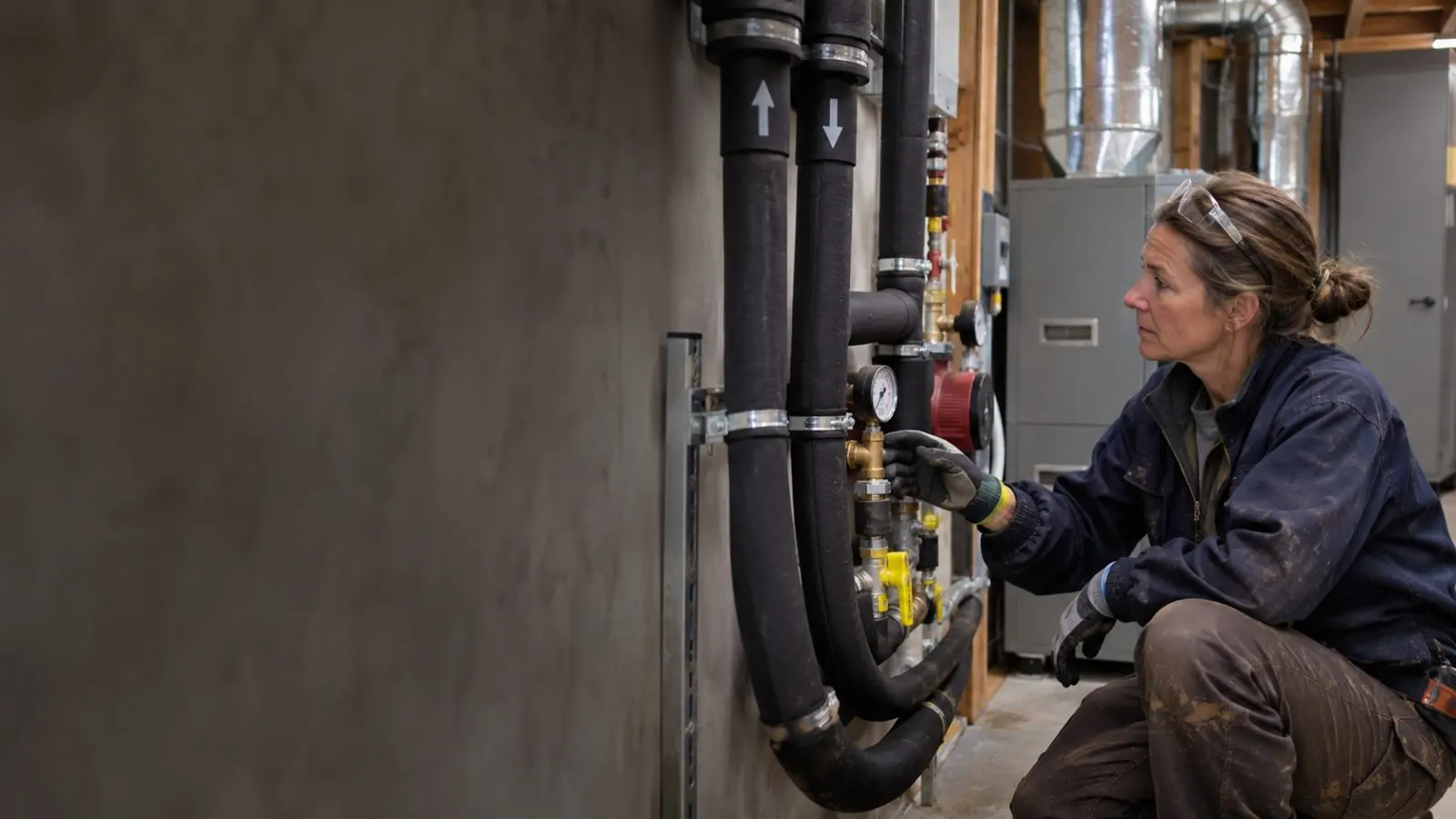
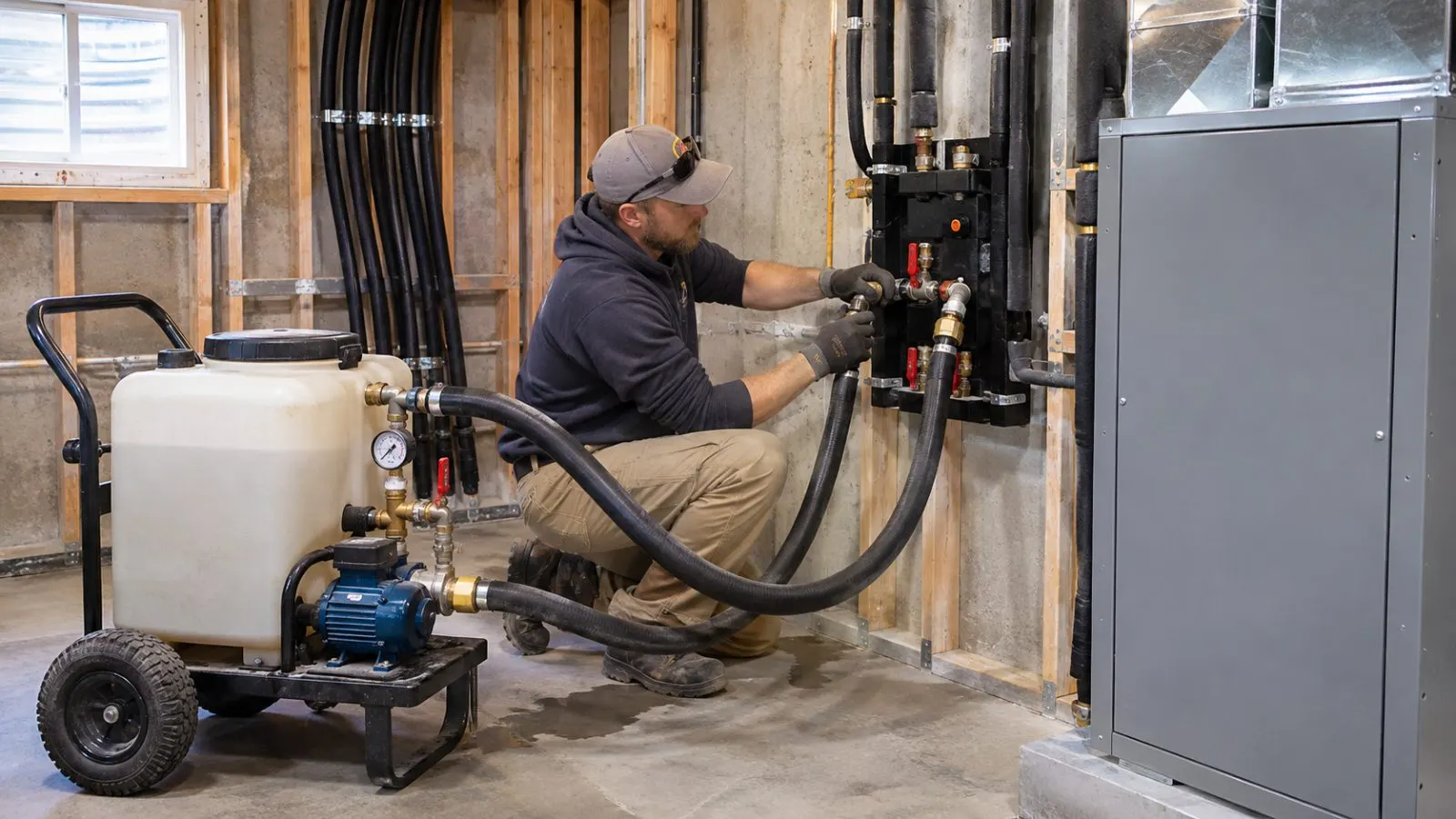
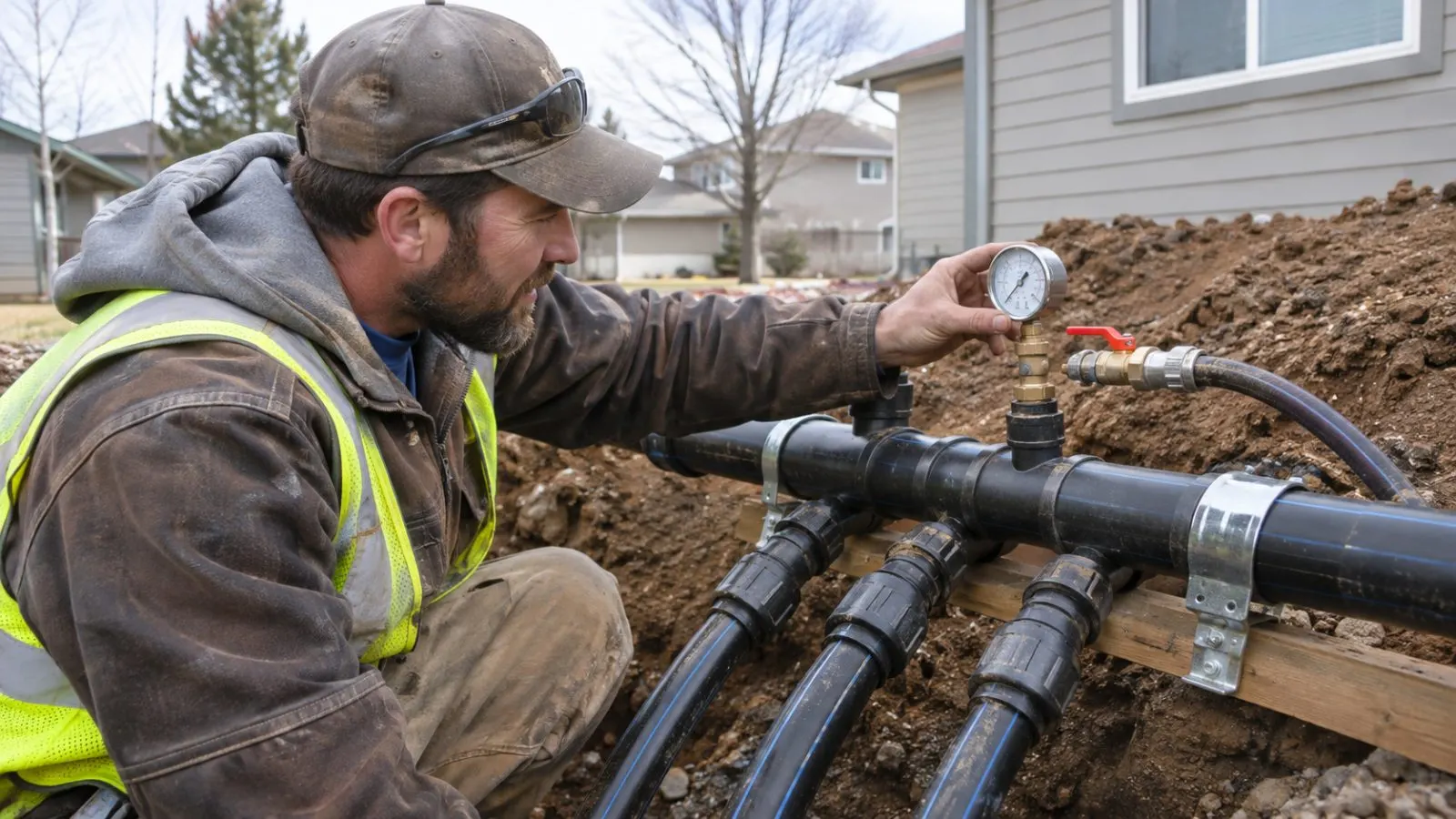
We believe homeowners should understand the work involved before selecting a system. Geothermal installation may include drilling or excavation, mechanical connections, electrical requirements, testing, and restoration. The extent of those activities depends on the property and selected design.
If you live in Fountain and are thinking about replacing your heating equipment or planning a new home, we can help you identify the geothermal questions worth investigating. Contact +1 719-497-1116 to discuss your current system, lot conditions, and project goals.
We consider both winter comfort and summer cooling requirements when evaluating homes.
We account for differences in ductwork, insulation, lot size, and property improvements.
We recognize that drainage, underground utilities, and local ground conditions can influence loop design.
Many geothermal systems are designed to provide both heating and cooling. Whether a particular system can serve the complete home depends on calculated loads, equipment selection, and distribution compatibility.
Properties with drainage or floodplain considerations may require additional review. Actual site conditions, applicable regulations, and underground installation requirements should be checked before designing the loop.
Yes, a major remodel can be a useful time to evaluate heating and cooling improvements. Changes to insulation, windows, room layouts, and ductwork should be reflected in the geothermal design.
Considering geothermal for a Fountain home, remodel, or construction project? Tell us about the property.
Free — no obligations