Mountain Community Geothermal Heating
Geothermal Systems for Woodland Park Homes
Investigate geothermal heating for your mountain property. Get a Free Estimate
Mountain Community Geothermal Heating
Investigate geothermal heating for your mountain property. Get a Free Estimate
Woodland Park sits west of Colorado Springs along U.S. Highway 24, with a mountain setting that creates distinct heating and construction challenges. Known as the City Above the Clouds, the community includes homes around downtown, residential areas near Meadow Wood, and properties toward Shining Mountain and the surrounding wooded hills. Elevation, winter temperatures, and terrain all influence how geothermal should be evaluated.
Cold-weather heating is a central concern for mountain homeowners. A ground-source heat pump can exchange heat with the earth even when outdoor air temperatures are very low, but the ground loop must support the home's actual heating requirements. The system's capacity, distribution design, and controls should be selected for the specific building.
Woodland Park properties often involve more complicated physical conditions than a level suburban lot. Slopes, rock, mature trees, retaining walls, and limited machinery access can affect both drilling and excavation. A large wooded parcel may offer room for ground loops but still have practical limitations because of terrain or subsurface conditions.
Older mountain houses may have uneven insulation, additions, or unconventional heating arrangements. Some use forced-air equipment, while others rely on hydronic or other systems. A geothermal conversion should begin with an assessment of the building envelope and a review of the distribution system. Without that work, replacing equipment may leave the original comfort issues unresolved.
New custom homes around Woodland Park present opportunities for early geothermal design. The building's heating load, mechanical space, electrical requirements, and possible borefield areas can be considered before the site is fully developed. Coordination is valuable where steep access routes or tree preservation affect construction.
Ground loop drilling in a mountain setting requires particular attention to subsurface information. The presence of rock does not automatically make geothermal impossible, but conditions may affect the drilling approach and the practicality of a proposed design. The appropriate professionals and regulatory authorities should be involved where their review is required.
We also encourage homeowners to think about winter access and maintenance. Equipment should be positioned so filters, pumps, controls, and other components remain serviceable. Reliable operation depends on more than the underground portion of the system.
If you are considering geothermal in Woodland Park, we can discuss the building's heating needs, likely site constraints, and what information would be needed for a feasibility evaluation. Call +1 719-497-1116 or tell us about your mountain property.
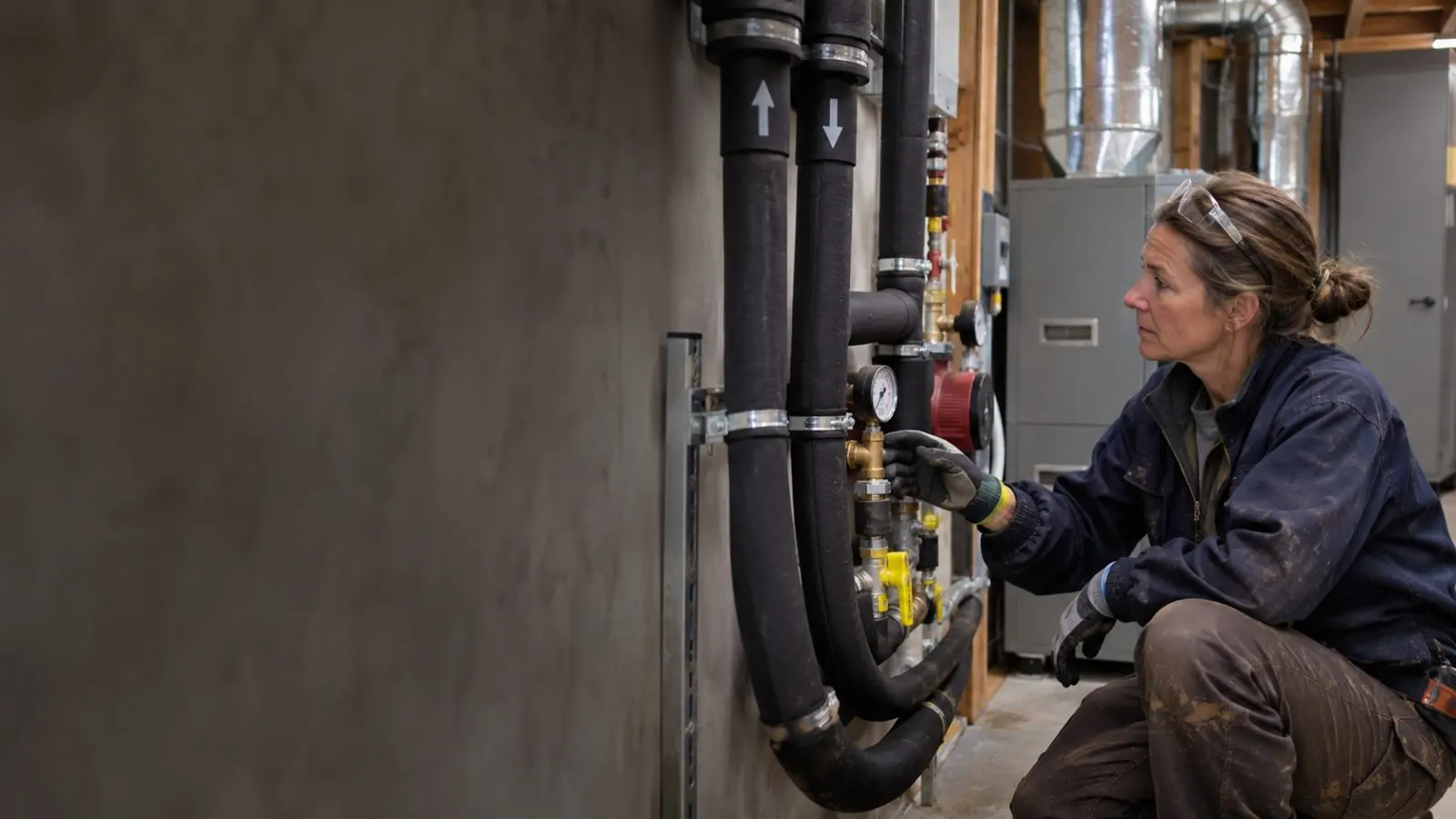
We recognize the need to evaluate cold-weather heating performance at higher elevations.
We encourage site investigation before assuming that conventional excavation methods will work.
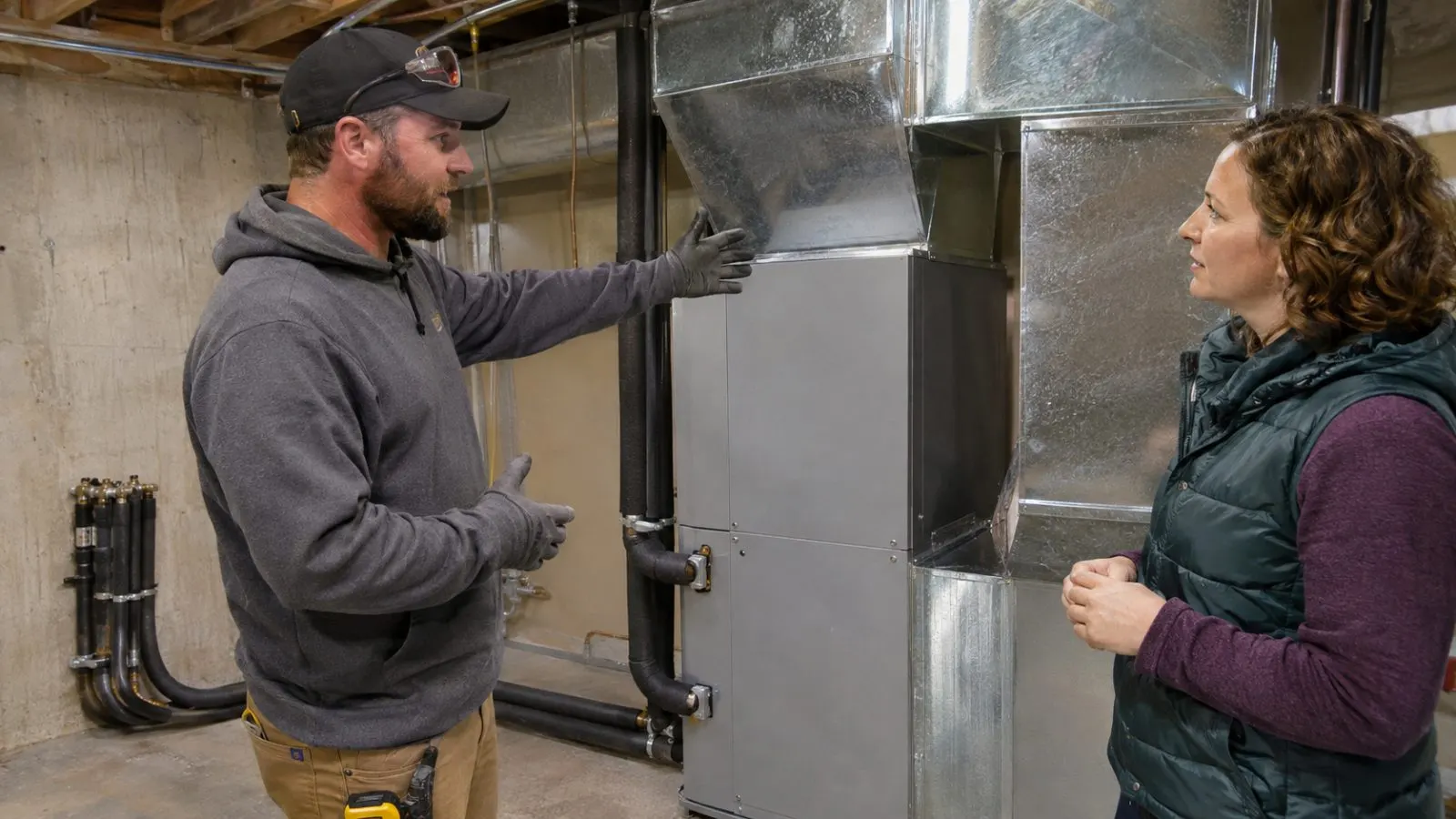
We consider practical installation access and future equipment maintenance.
A properly engineered geothermal system can be designed to provide heating in cold mountain conditions. Required equipment and loop capacity depend on the building's heat loss and design temperatures. Some configurations may include supplemental heating.
Not necessarily. Drilling methods and feasibility depend on the type and condition of rock, access, and the proposed borefield. Site-specific evaluation is needed before a decision.
It may be, although slopes can complicate access, excavation, piping routes, and site restoration. Vertical loops or other engineered arrangements may be investigated where appropriate.
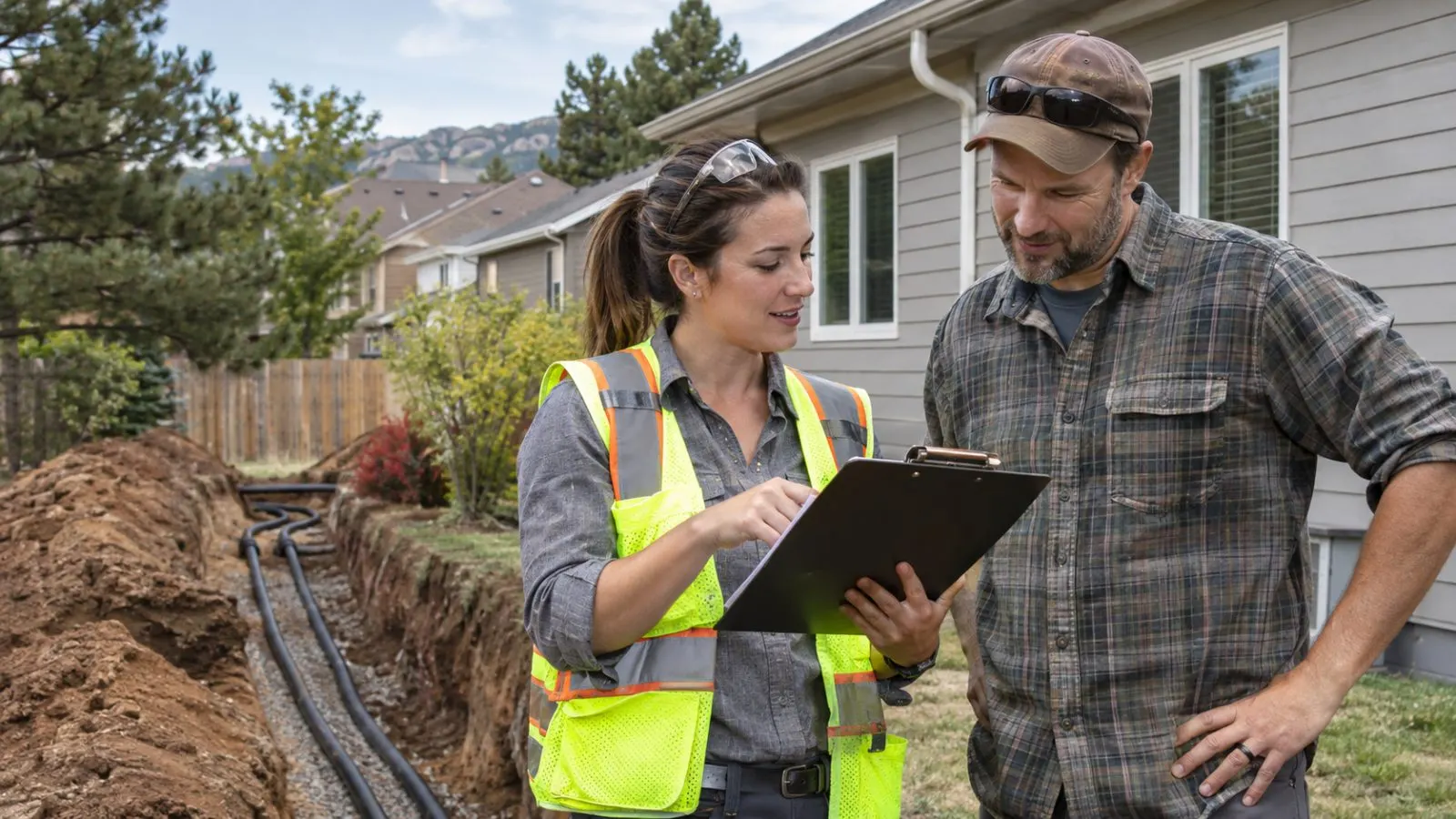
Have a wooded, rocky, or sloped Woodland Park property? Discuss how its conditions may affect geothermal installation.
Free — no obligations