Ground-Source Heat Pump Troubleshooting
Geothermal Heat Pump Repair and Service
Tell us what your geothermal system is doing. Call +1 719-497-1116
Ground-Source Heat Pump Troubleshooting
Tell us what your geothermal system is doing. Call +1 719-497-1116
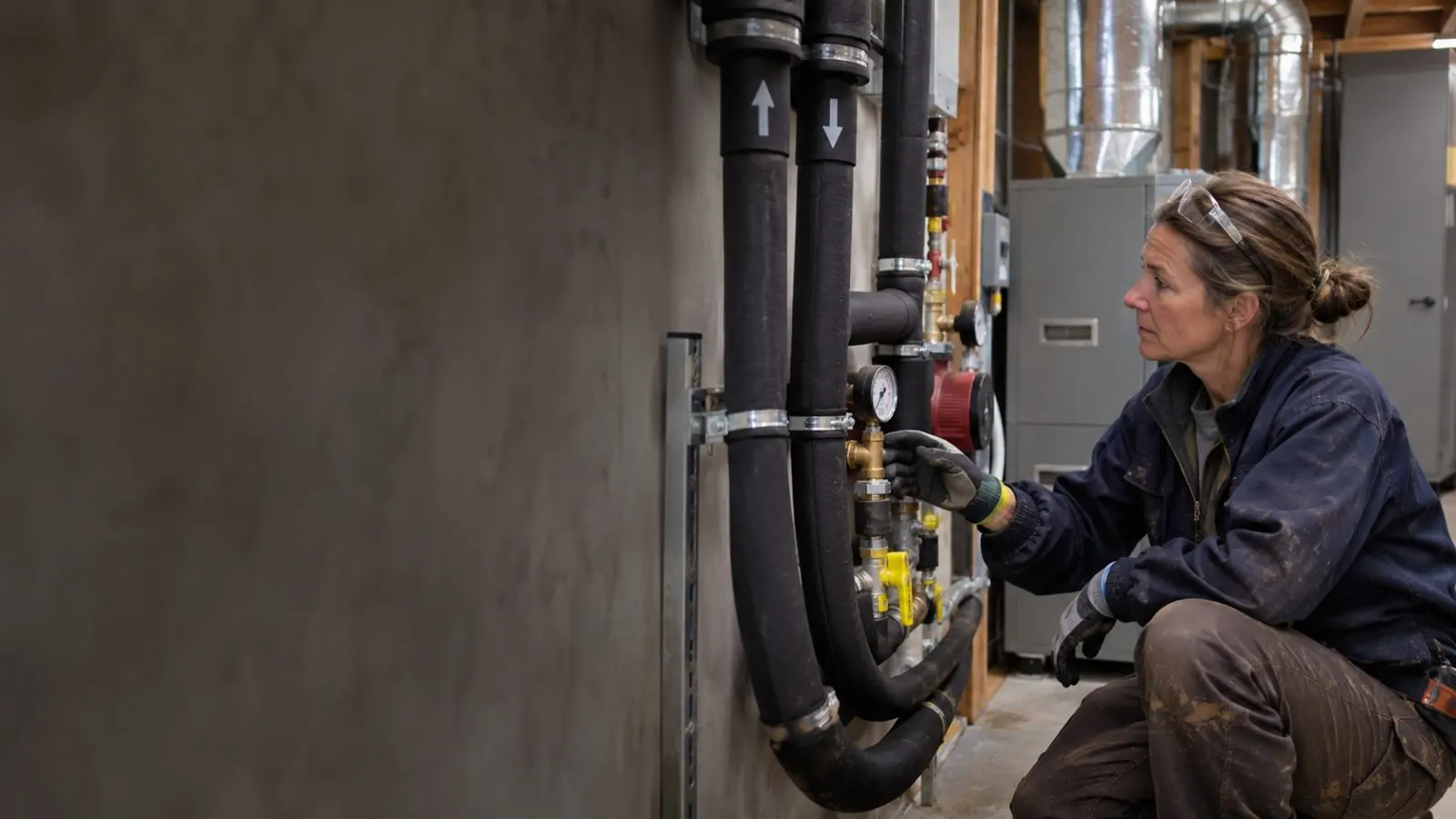
A geothermal heat pump can develop problems just like other mechanical equipment. Reduced heating performance, unexpected shutdowns, poor airflow, abnormal noises, and circulation issues all deserve attention. The cause is not always the indoor unit. A ground-source system includes pumps, piping, controls, and distribution components that influence performance.
Geothermal Install in Colorado Springs approaches geothermal troubleshooting by focusing on the symptoms and the way the complete system operates. If your home is losing heat during cold weather, the first priority is to determine whether the equipment can operate safely and identify the next diagnostic steps. Service availability and repair scope must be confirmed for the individual system.
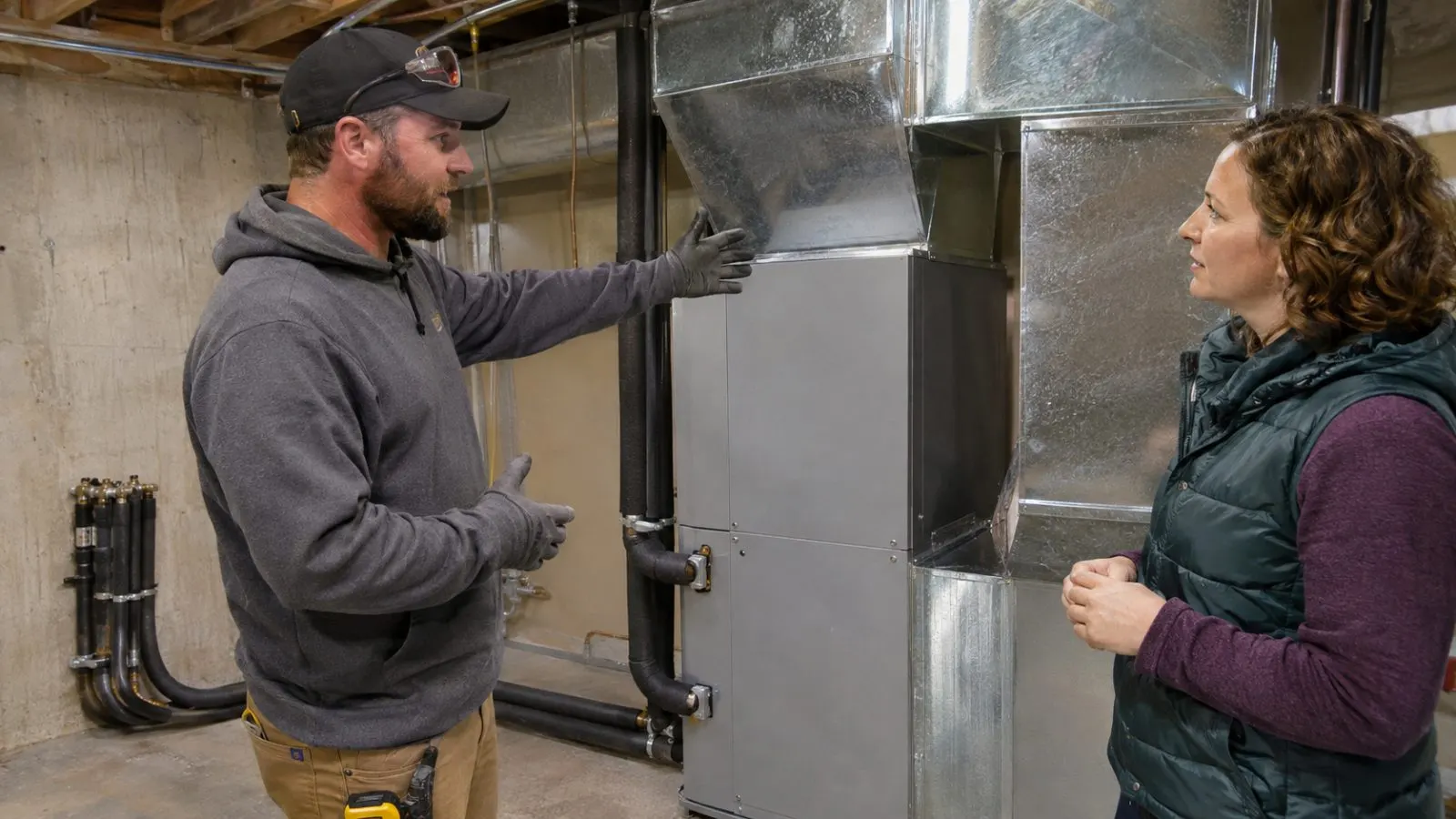
Effective troubleshooting looks for the source of a problem rather than replacing components without a diagnosis. Understanding the equipment model, operating history, and fault symptoms helps narrow the possibilities.
Poor performance can result from airflow restrictions, control settings, equipment faults, loop circulation problems, or changes in building demand. Diagnostic checks help distinguish among possible causes.
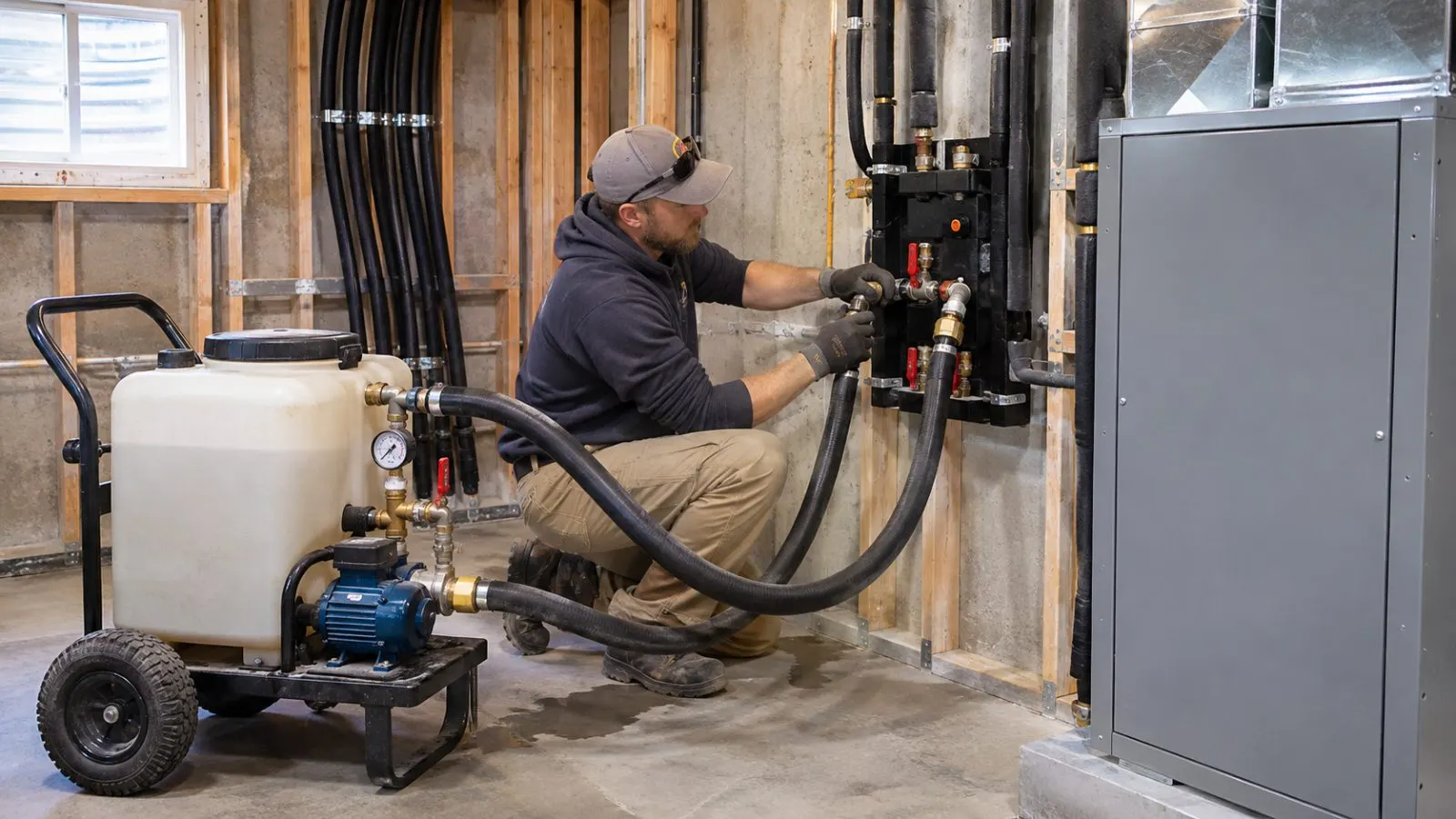
Circulation pumps, valves, fluid conditions, and air in the loop can affect heat exchange. The system's operating conditions should be evaluated before assuming the buried piping is defective.
Fault codes, failed sensors, thermostat problems, and electrical component issues can interrupt system operation. Diagnosis should be performed by appropriately qualified personnel.
Unexpected noises or repeated starts and stops may indicate mechanical, electrical, airflow, or control concerns. Recording when the symptoms occur can support troubleshooting.
Filter care, condensate management, circulation-system checks, and manufacturer-recommended inspections can help identify developing problems. Maintenance needs vary by equipment design.
We recognize that geothermal troubleshooting must consider both the heat pump and its supporting loop components.
We encourage a clear record of system behavior and fault conditions before deciding on repairs.
We help homeowners understand routine care and when professional diagnosis is necessary.
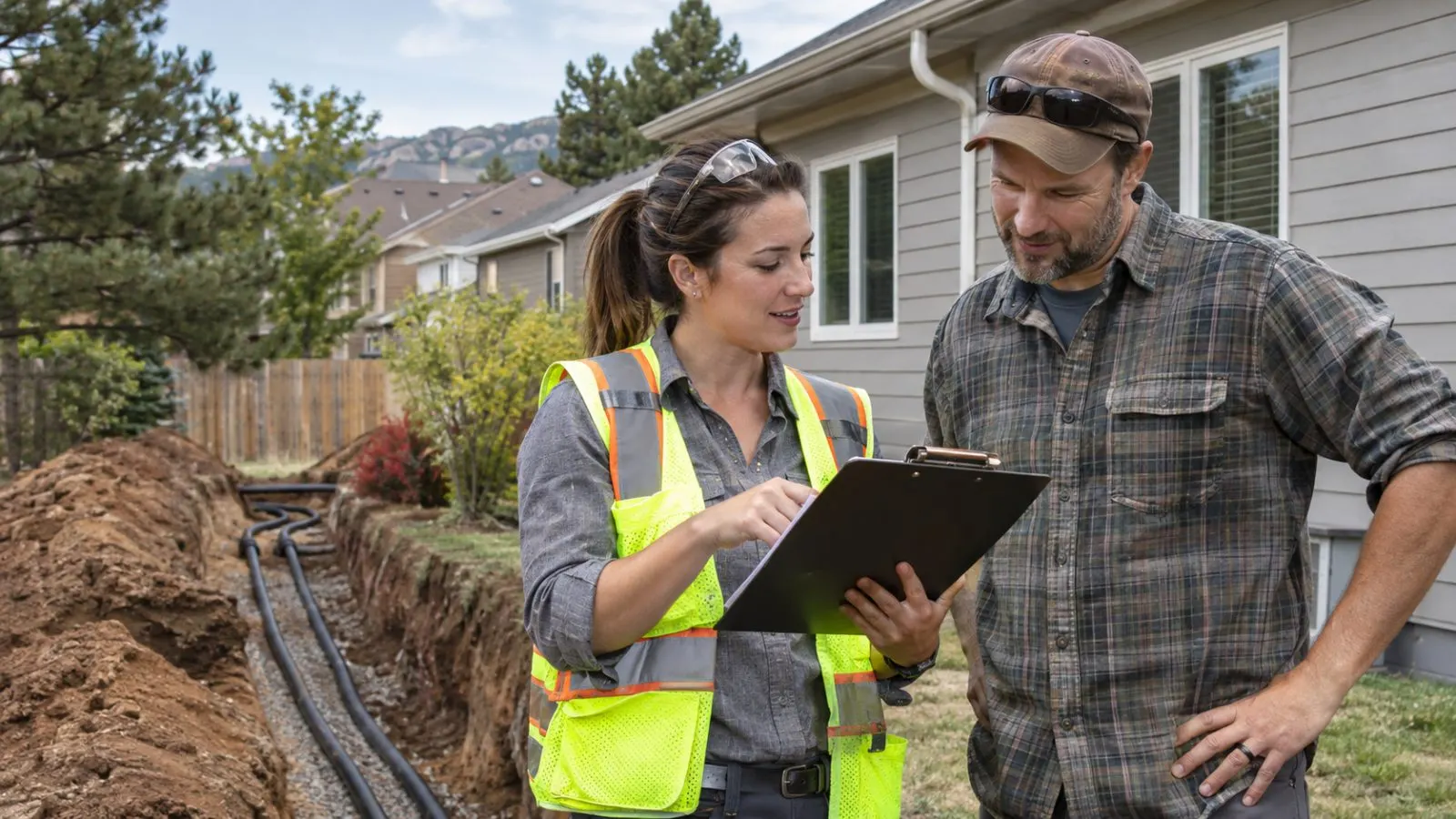
Explain the symptoms, equipment model if available, and your location so the appropriate service options can be discussed.
Free — no obligations
Identify the equipment, observed problem, fault messages, and when the issue began.
Consider heating and cooling demand, airflow, controls, and circulation performance.
Use appropriate diagnostic procedures to narrow the problem and determine any needed specialist involvement.
Discuss the recommended correction, relevant parts or compatibility issues, and the proposed scope.
After authorized work, check that the affected functions operate as expected.
Possible causes include restricted airflow, a control issue, equipment malfunction, or inadequate loop circulation. A running fan does not necessarily mean the heat pump is transferring heat correctly. Professional diagnosis is appropriate.
A lockout occurs when the equipment's protective controls stop normal operation after detecting a fault condition. The meaning depends on the model and fault code. Repeatedly resetting the unit without addressing the cause can create additional problems.
Closed ground loops generally do not require routine excavation or cleaning. However, pumps, fluid conditions, strainers where installed, and system operation may require inspection according to manufacturer guidance and the loop design.
A new or severe mechanical noise warrants caution. If there is a burning smell, smoke, electrical hazard, or another immediate safety concern, stop using the equipment when safe to do so and contact the appropriate emergency or qualified service provider.