Existing Home Heating and Cooling
Geothermal Retrofits for Existing Colorado Springs Homes
See what converting your home's heating system could involve. Get a Free Estimate
Existing Home Heating and Cooling
See what converting your home's heating system could involve. Get a Free Estimate
An existing house does not need to be rebuilt to use geothermal heating and cooling. Many homes can be evaluated for a ground-source heat pump conversion, although the amount of work varies. The biggest considerations are the building's heating demand, the existing distribution system, electrical requirements, and whether a practical ground loop can be installed.
In Colorado Springs, established neighborhoods have a wide mix of floor plans, construction periods, and lot sizes. A home with a conventional forced-air furnace may offer different opportunities from a property with boilers, baseboard heat, or extensive additions. We look at the whole building before recommending a conversion.
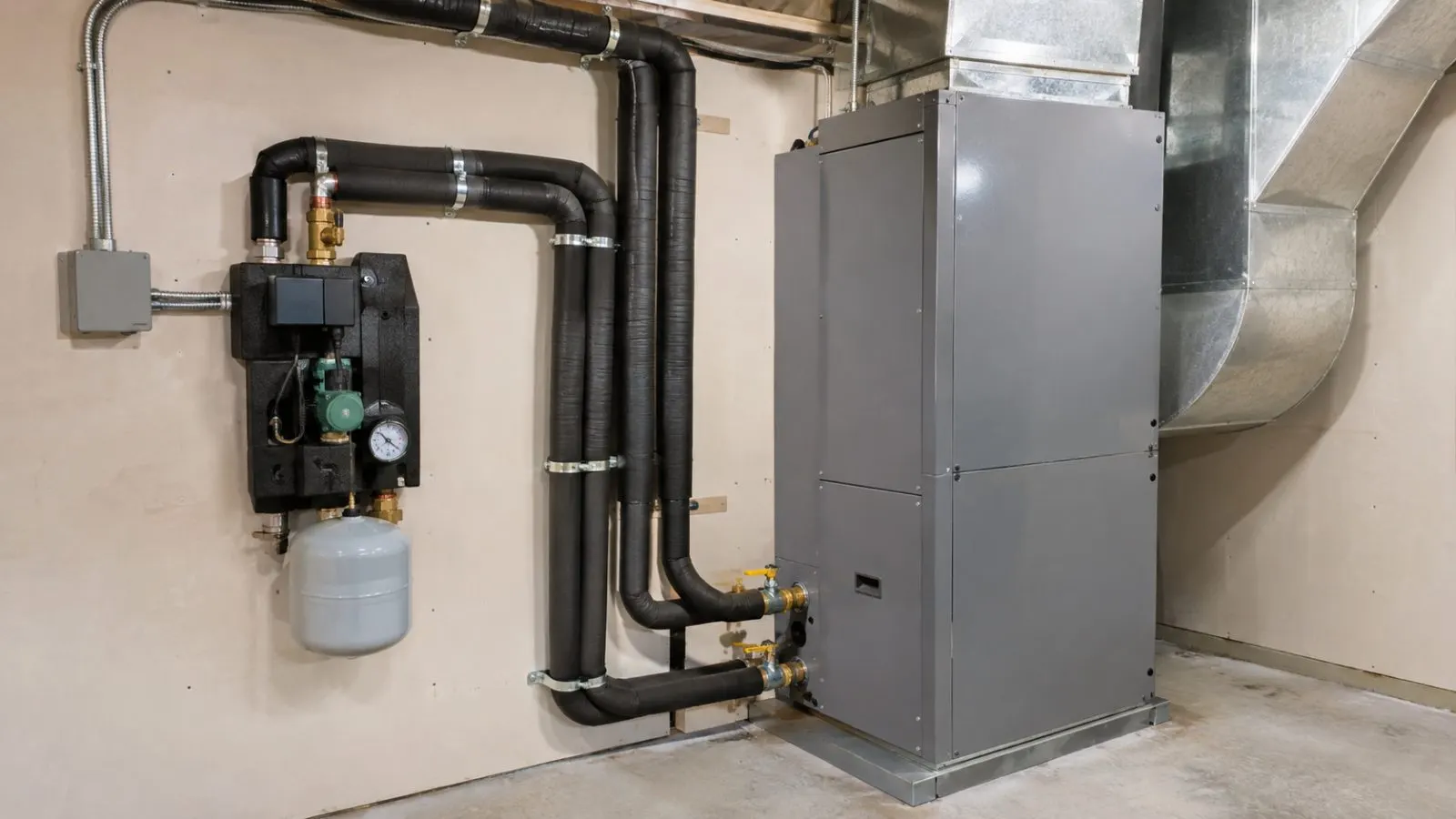
Retrofitting geothermal means fitting a new system into a property that already has working spaces, landscaping, utilities, and established heating equipment. The planning process should respect those constraints.
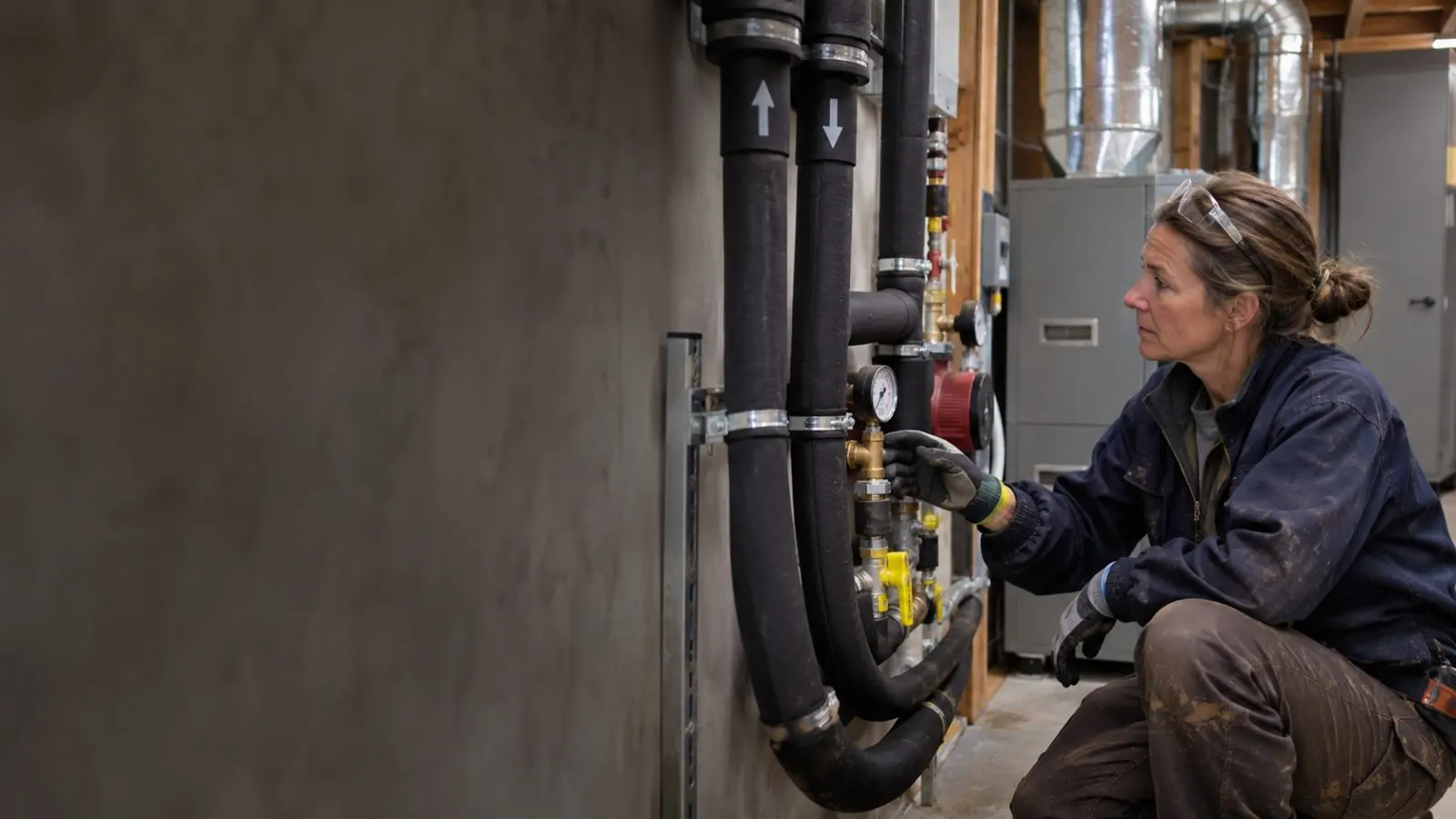
We begin by understanding how your home is currently heated and cooled. Furnace capacity, air conditioning equipment, duct layout, and existing comfort problems provide useful context. Actual load calculations establish the requirements for the proposed geothermal equipment.
Older houses may benefit from insulation or air-sealing improvements before new heating equipment is selected. Reducing unnecessary heating demand can change the required system capacity and improve comfort.
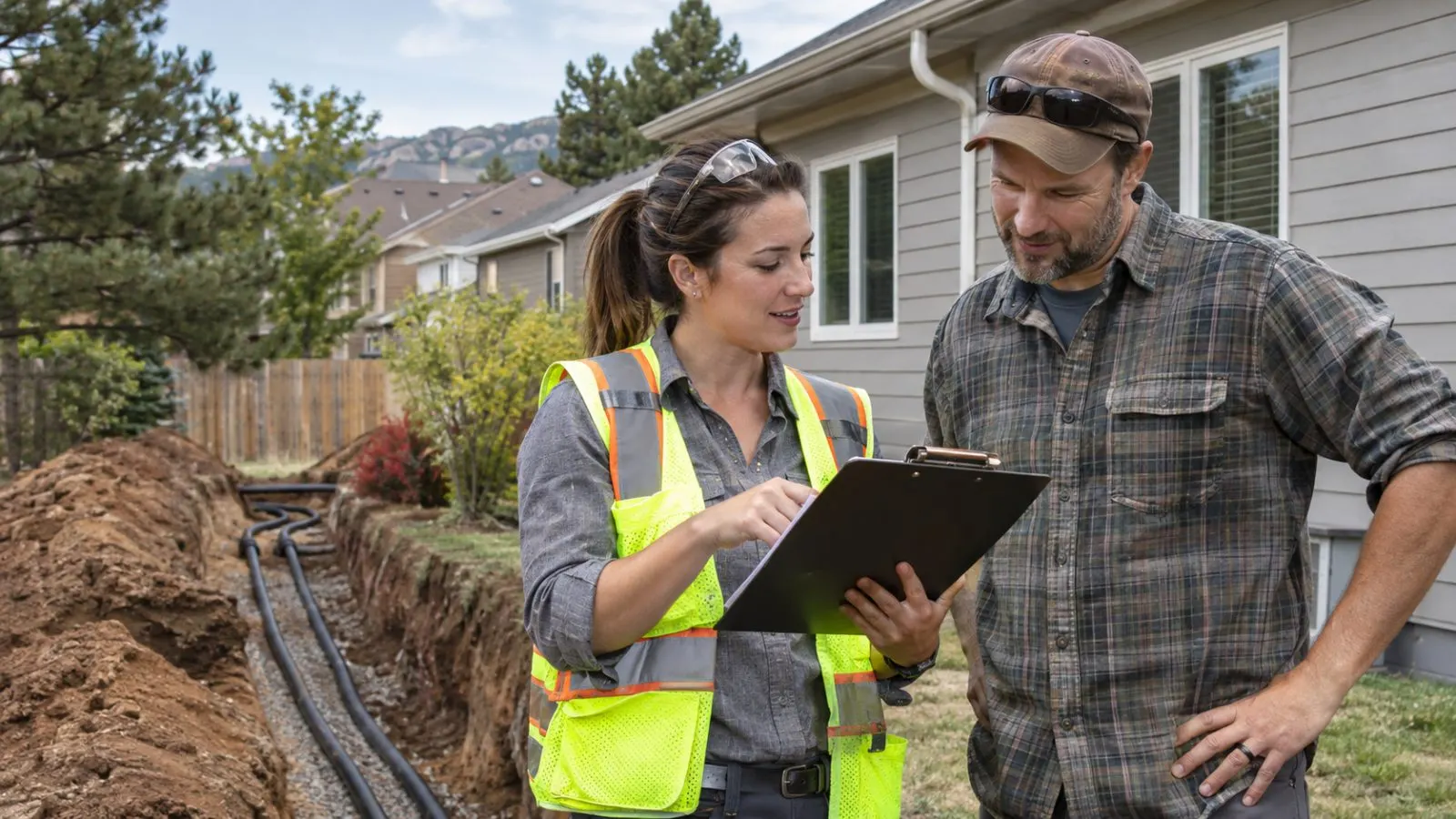
Established properties often have mature trees, hardscaping, irrigation systems, sheds, and buried services. The loop design must account for those features. Vertical drilling may be investigated when horizontal excavation is impractical, subject to site conditions.
Not every distribution system is directly compatible with every heat pump. Duct modifications, new components, or a different configuration may be required. Hydronic applications call for careful evaluation of water temperature requirements.
Retrofit work can disrupt heating availability, outdoor access, and parts of the mechanical area. A clear installation sequence helps homeowners prepare for equipment removal, connections, and testing.
We consider established landscaping, finished rooms, and current utilities when discussing the project.
We look at airflow and building performance rather than assuming a new heat pump solves every problem.
We explain when extensive modifications may make a retrofit more complex than expected.
Tell us about your current heating equipment and your home's layout to begin exploring a geothermal conversion.
Free — no obligations
Identify the present heating and cooling systems, their condition, and the homeowner's priorities.
Evaluate heating and cooling demand, ducts or hydronic components, and possible efficiency improvements.
Review potential ground loop locations, underground conflicts, and equipment access.
Explain equipment replacement, interior changes, outdoor work, and required approvals.
Coordinate the conversion and verify that the completed system operates correctly.
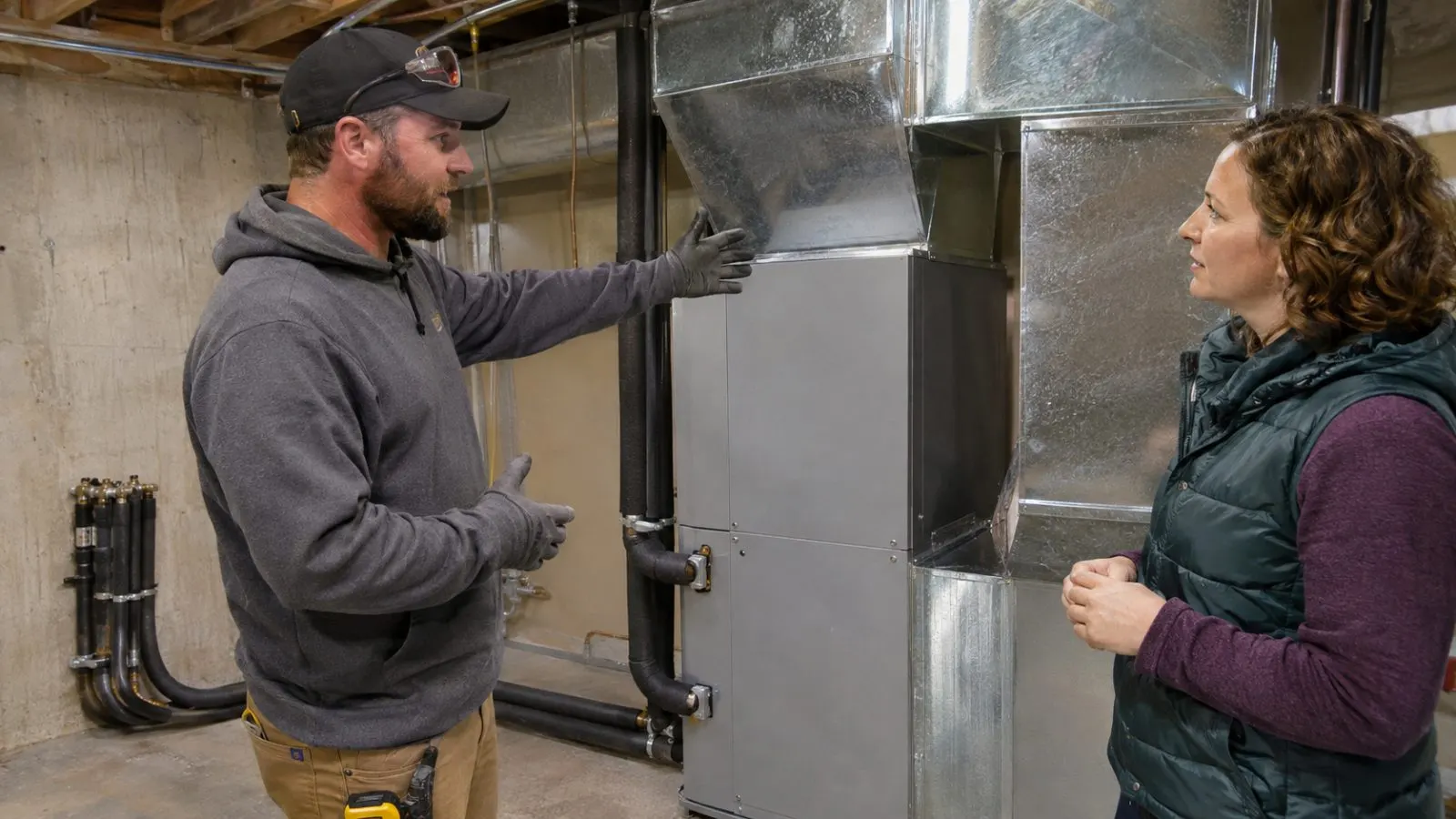
Some installations may reuse compatible distribution components, while others need substantial modifications. Whether existing equipment can remain depends on the specific design and operating requirements. A mechanical assessment is necessary.
A typical retrofit does not automatically require moving out, but noise, outdoor work, and temporary heating or cooling interruptions may occur. Project conditions determine the disruption. The installation schedule should explain these issues in advance.
It may be possible, but adding suitable heating and cooling distribution can increase the project scope. Homes without ductwork may require a different system design or additional interior work.
It is often worth evaluating insulation and air leakage first. Building-envelope improvements can reduce heating demand and may affect equipment sizing. They can also improve comfort regardless of the heating system selected.