Geothermal Project and Incentive Guidance
Geothermal Installation Cost and Rebate Guidance
Understand the variables before planning your geothermal project. Get a Free Estimate
Geothermal Project and Incentive Guidance
Understand the variables before planning your geothermal project. Get a Free Estimate
Geothermal installation costs vary because every property has different requirements above and below ground. The system must meet the home's heating and cooling demand, while the ground loop must be appropriate for available space, geology, and access. Existing-home modifications, electrical work, and distribution requirements can also change the amount of work involved.
Colorado homeowners may encounter state tax incentives, utility programs, and other energy-efficiency offerings. Eligibility and availability change, so an incentive should not be treated as guaranteed. We believe homeowners deserve a clear explanation of project scope and a careful review of current program rules before making financial decisions.
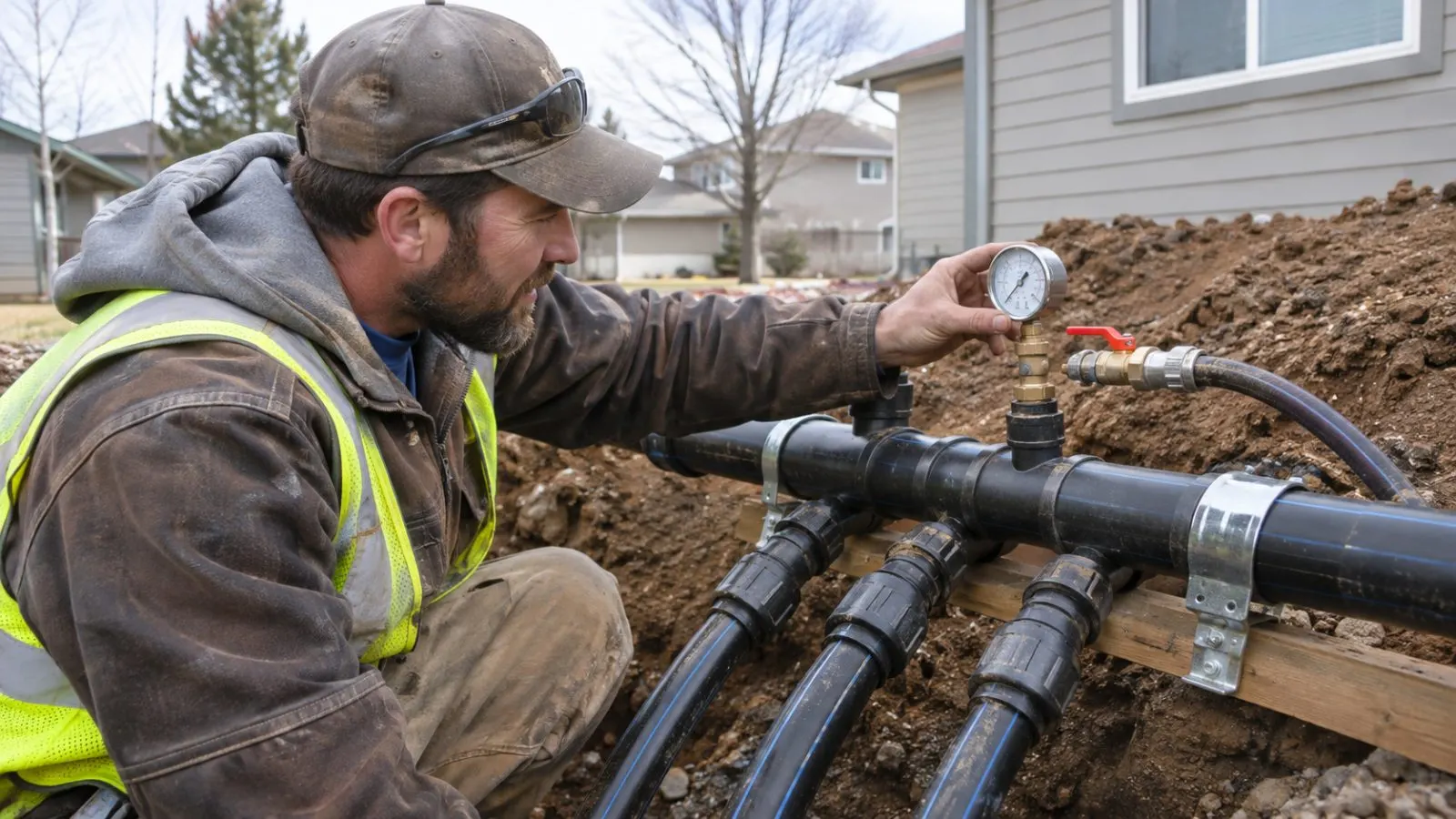
A geothermal proposal should distinguish the main elements of construction and explain the assumptions behind the scope. Financial incentives must be evaluated separately from the actual engineering requirements.
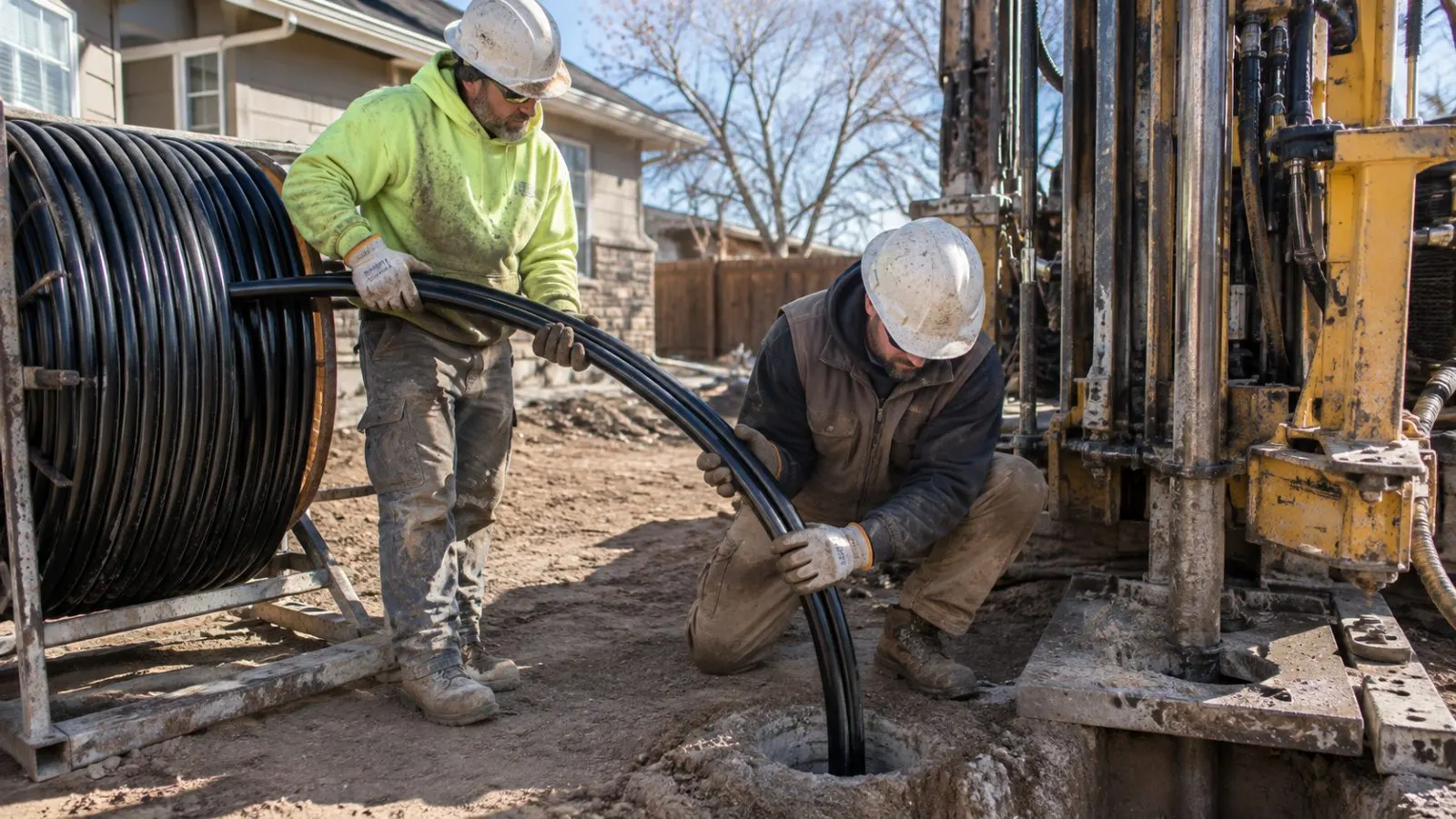
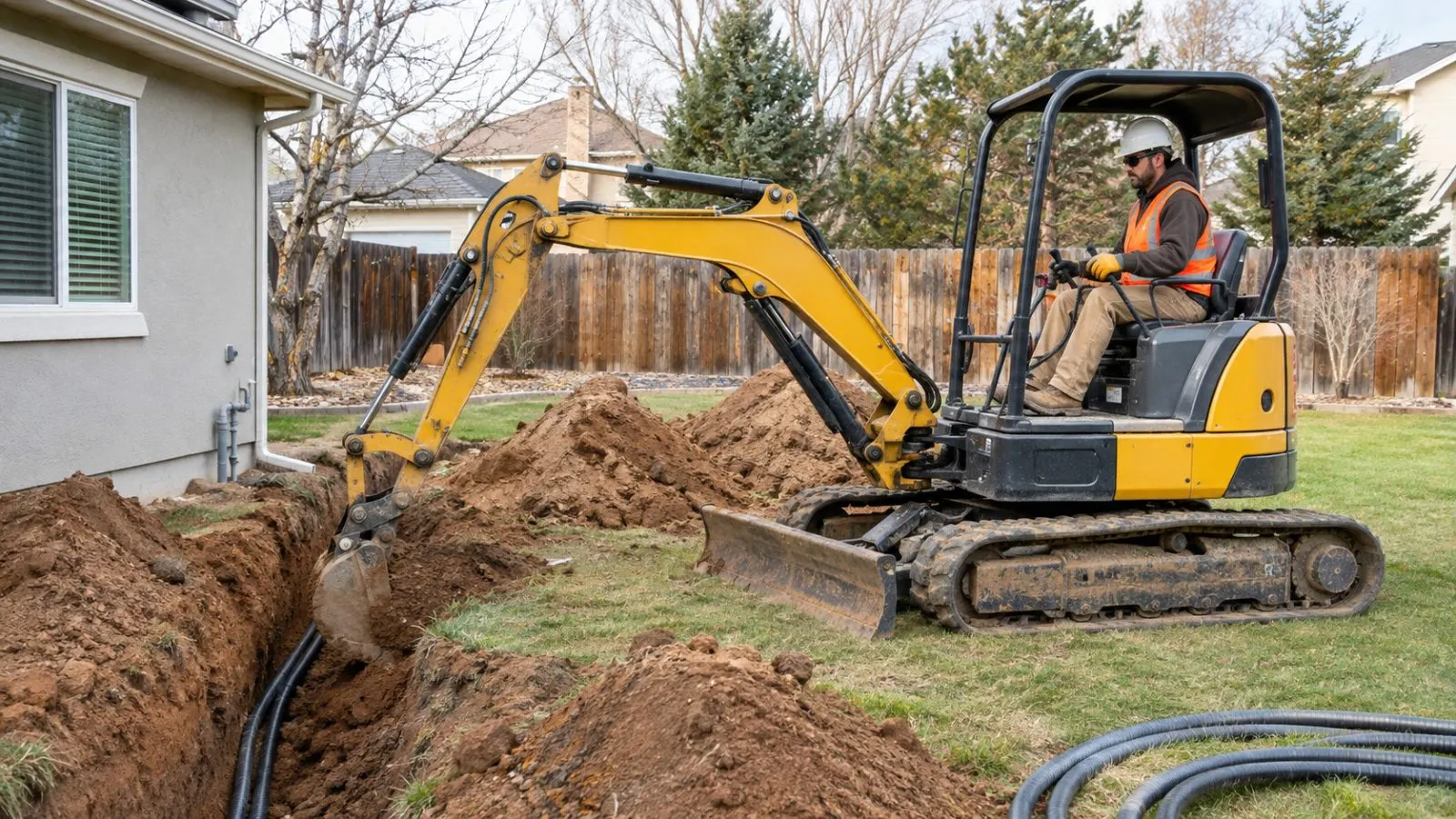
Horizontal excavation and vertical drilling involve different equipment, site requirements, and construction activities. Subsurface conditions, required loop capacity, machinery access, and restoration needs influence the project.
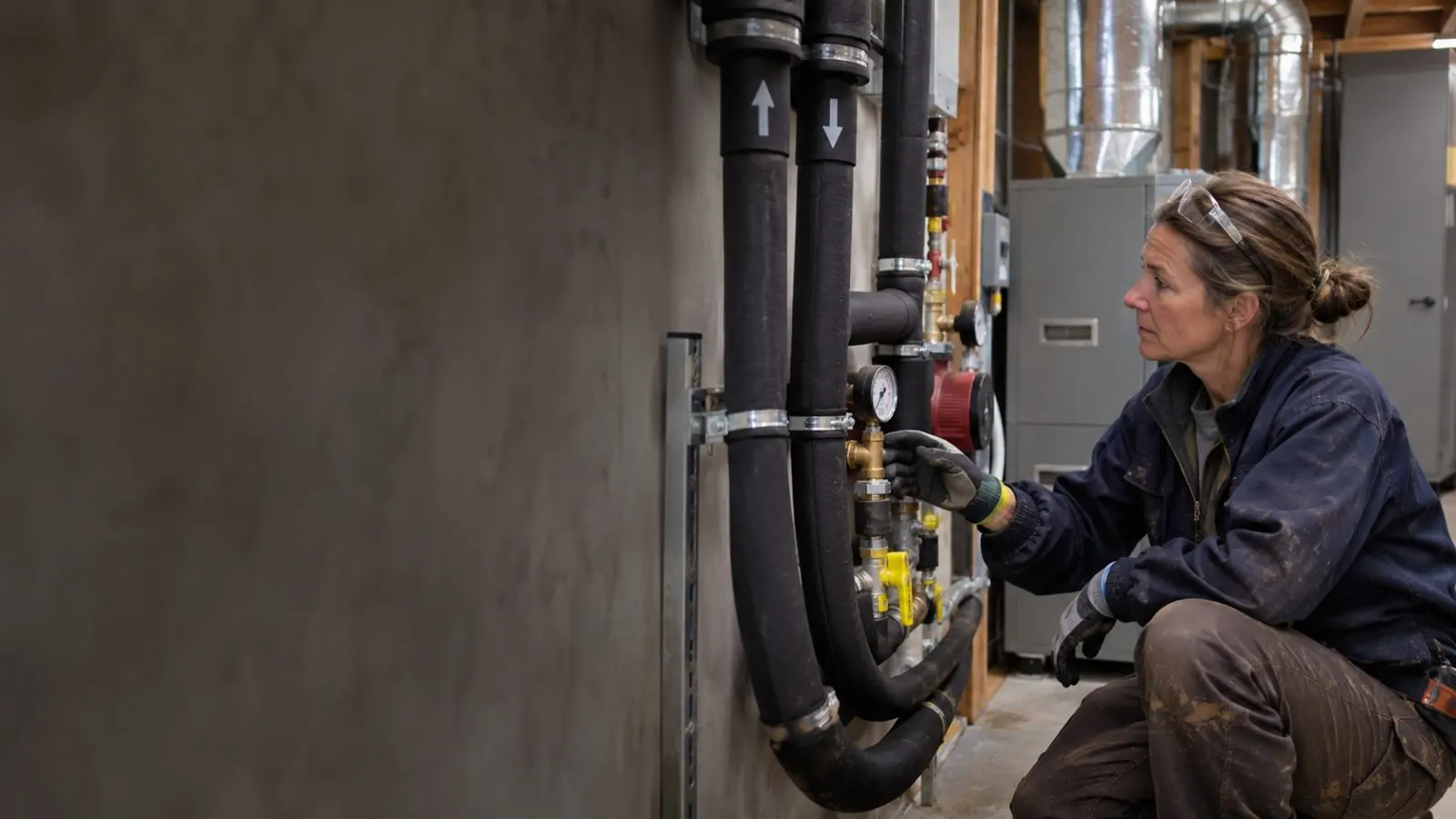
System capacity, equipment configuration, controls, ductwork, hydronic components, and electrical requirements all contribute to the overall installation scope.
Retrofit work may involve removing existing equipment, improving airflow, adding mechanical space, or making changes to support the geothermal system.
Colorado has established heat pump-related tax incentive programs with specific eligibility, contractor, equipment, and timing requirements. Homeowners should verify current state guidance and confirm whether the applicable incentive can be reflected in an eligible transaction.
Utility offerings depend on the property's service provider, equipment, and current program rules. Other assistance may have income, building, or installation requirements. Availability should be checked before assuming the project qualifies.
Expected electricity use depends on heating demand, system efficiency, controls, local utility rates, and homeowner behavior. A realistic comparison should include operating assumptions and maintenance requirements rather than relying on advertised savings.
We believe the actual property and system design should determine the installation scope.
We distinguish possible program eligibility from confirmed benefits.
We encourage homeowners to consider installation work, operation, service, and long-term use together.
Get a property-specific discussion of geothermal project requirements and the incentive questions worth checking.
Free — no obligations
Gather building information, existing equipment details, utility provider information, and site constraints.
Consider the loop configuration, system requirements, distribution changes, and other installation activities.
Review relevant state, utility, and other available incentives using current official requirements.
Identify equipment qualifications, required applications, timing, and any contractor-related eligibility rules.
Consider installation requirements, potential operating performance, maintenance, and verified incentives.
No. Eligibility depends on current law, equipment qualifications, installation timing, and program procedures. Colorado heat pump incentives can also involve specific contractor registration and transaction requirements. Verify the rules before relying on an incentive.
Utility-specific programs depend on the provider serving the property and the current eligibility rules. Not all programs cover ground-source systems, and qualifying conditions may change. Your actual utility account and the proposed equipment should be checked.
Yes. If the current duct system needs changes to support the proposed heat pump, that work becomes part of the project scope. Duct condition, airflow requirements, and mechanical access should be evaluated early.
Consider installation requirements, projected energy use, maintenance, expected equipment life, and the characteristics of your home. Actual savings depend on what system is being replaced and future utility use. Avoid relying on generalized claims that guarantee a particular result.
These public sources explain rules, rebates and ground conditions in our area: